
“Nothing for us without us.”
Everyone has a role to play in co-designing support
Behaviour Support with the CALMER Approach
Behaviour is rarely random—it’s shaped by a wide range of events and contributing factors.
You and I share the need to feel safe, connected, heard, and understood — yet our behaviour may differ as a reflection of our unique lived experiences, influencing our thoughts, emotions, and perceptions of the environment in the here and now.
CALMER helps us share an understanding of the relationship between past and present through a neuro-behavioural, co-designed, and neuro-affirming way of supporting people. It offers an meaningful way of understanding the relationship between emotions and behaviour — influencing every person’s actions in every moment. CALMER focuses on creating safe, authentic environments where people can thrive.

What Makes CALMER Different in Behaviour Support?
- Co-Designed & Neuro-Affirming Support is not imposed but co-created, with the person and their network at the centre.
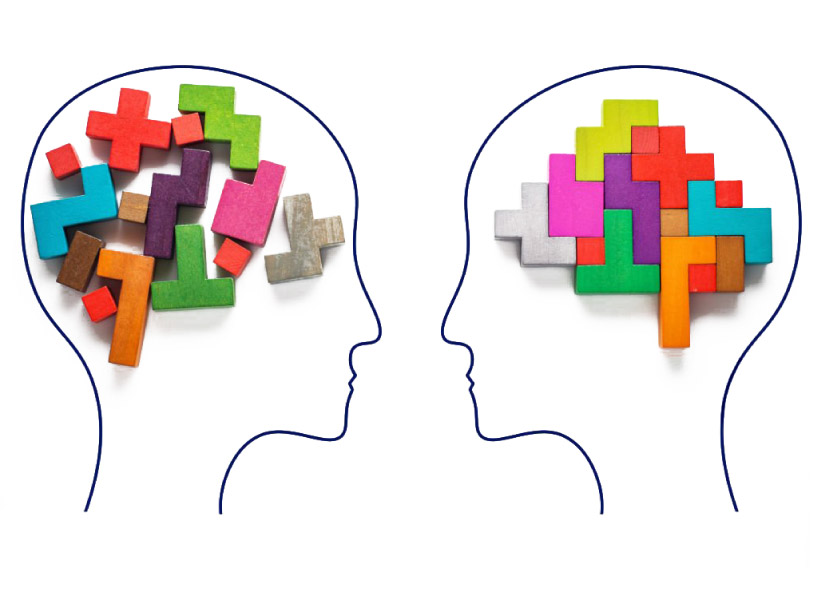
- Meaning in Context: The same behaviour can mean different things at different times — CALMER equips you to look beyond the surface.
- Chain of Events: Every behaviour arises from a sequence of contributing factors, not from one simple cause.
- Thinking & Feeling: Both influence behaviour — but in different ways. Understanding the difference matters.
- A Different Question: CALMER asks, “Is the behaviour the problem, or is it the consequence of the problem?”
- Practical and Accessible Clarity: CALMER equips you to know and understand the difference — making support safe, meaningful, and sustainable.
What Makes CALMER Different in Behaviour Support?
CALMER is designed to be realistic and usable in everyday life — not just theory on paper. It meets people where they are, in the moments that matter most.
- Simple language, clear principles: No jargon. You don’t need a clinical background to use CALMER.
- Works across settings: Schools, homes, disability services, workplaces, and communities.
- Step-by-step approach: Tools that can be applied immediately, in real time.
- Capacity building: Strengthens families, educators, and practitioners — not just the individual plan.
- Accessible formats: Delivered through workshops, resources, and therapeutic support — online and in-person.
This is what it means to be part of a living ecosystem of shared humanity — where behaviour is understood through empathy and authenticity, not just managed.
What People Are Saying
“Understanding the CALMER approach helped me reframe my teaching practice, changing the environment and teaching to strengths rather than reacting to behaviour.”
Teacher
“The training reinforced that we sometimes miss the ‘human’ approach. It really comes down to connection and regulation through connection.” “I valued the focus on building capacity, rather than expecting staff to know what to do in the heat of the moment.”
“You explained behaviour and emotional states so clearly and simply that I could apply it immediately with my children.. Your diagrams helped me change how I respond as a parent.”
Irini, mother
“This approach should sit at the foundation of school operations to support the wellbeing of students and staff.”
Heather, School Counsellor
“After completing the training, I felt confident to apply CALMER directly in practice. Explaining the approach supported a more inclusive and collaborative process.”
Alicia McLachlan, Senior Behaviour Support Practitioner / Social Worker
I have already incorporated CALMER concepts into my clinical placements. It has shaped my practice to be more person-centred and capacity-building.”
— Amy, Parent
“The training taught me to avoid assumptions and recognise that there is always more beneath the surface when interpreting behaviour.”
Obinna, Support Worker
I explored approaches like the Neurosequential Model, the Low Arousal Approach, and the Trauma Wisdom Circle — all of which added value, but still felt incomplete. What I love about CALMER is how it brings the research from all these pioneers and much more together into one approach.”
— Pam, Autistic parent and family educator